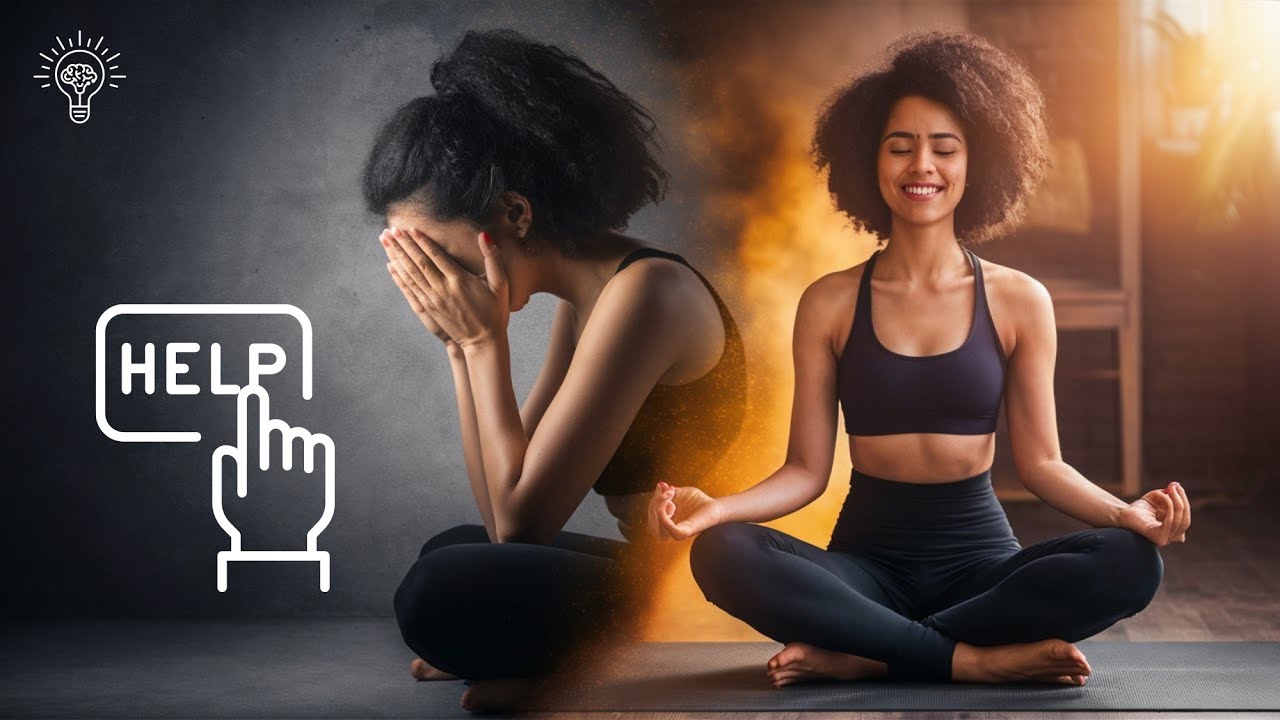
Overcoming fears can be a transformative experience, and sometimes it is helpful to endure maximum fear in order to conquer it. In everyday life, this often happens naturally, without psychotherapy. For example, when we face a challenging situation that triggers our fears, we allow ourselves to grow and build self-confidence. By enduring the fear and not avoiding it, we gain control over our reactions and can gradually overcome our fears. This process can be slow, but it can make us feel braver and more confident without having to rely on professional help…
__________________
Studies (just a small selection):
Abramowitz, J. S., Deacon, B. J., & Whiteside, S. P. (2019). Exposure therapy for anxiety: Principles and practice. Guilford Publications.
Bandarian-Balooch, S., Neumann, D. L., & Boschen, M. J. (2015). Exposure treatment in multiple contexts attenuates return of fear via renewal in high spider fearful individuals. Journal of behavior therapy and experimental psychiatry, 47, 138-144.
Craske, M. (2015). Optimizing exposure therapy for anxiety disorders: an inhibitory learning and inhibitory regulation approach. Verhaltenstherapie, 25(2), 134-143.
Mystkowski, J. L., Craske, M. G., Echiverri, A. M., & Labus, J. S. (2006). Mental reinstatement of context and return of fear in spider-fearful participants. Behavior Therapy, 37(1), 49-60.
Nelson, E. A., Deacon, B. J., Lickel, J. J., & Sy, J. T. (2010). Targeting the probability versus cost of feared outcomes in public speaking anxiety. Behaviour Research and Therapy, 48(4), 282-289.
Wolitzky, K. B., & Telch, M. J. (2009). Augmenting in vivo exposure with fear antagonistic actions: A preliminary test. Behavior Therapy, 40(1), 57-71.