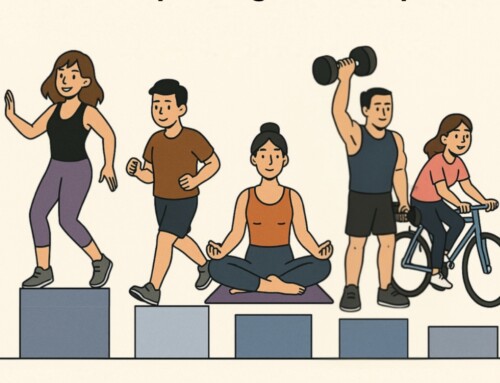
Can you overcome depression by climbing to new mood heights? A brand new study by German researchers aims to answer this question. To do this, subjects with depression were randomly assigned to three different groups:
1. BOULDERING THERAPY
2. COGNITIVE BEHAVIOURAL THERAPY
3. EXERCISE PROGRAMME (AT HOME)
The results are promising and could lead to the addition of other sports-based interventions such as bouldering to conventional treatments for depression in the future….
__________________
Studies (small selection only):
Babyak, M., Blumenthal, J. A., Herman, S., Khatri, P., Doraiswamy, M., Moore, K., … & Krishnan, K. R. (2000). Exercise treatment for major depression: maintenance of therapeutic benefit at 10 months. Psychosomatic medicine, 62(5), 633-638.
Blumenthal, J. A., Babyak, M. A., Doraiswamy, P. M., Watkins, L., Hoffman, B. M., Barbour, K. A., … & Sherwood, A. (2007). Exercise and pharmacotherapy in the treatment of major depressive disorder. Psychosomatic medicine, 69(7), 587.
Karg, N., Dorscht, L., Kornhuber, J., & Luttenberger, K. (2020). Bouldering psychotherapy is more effective in the treatment of depression than physical exercise alone: results of a multicentre randomised controlled intervention study. BMC psychiatry, 20(1), 1-13.
Kuyken, W., Warren, F. C., Taylor, R. S., Whalley, B., Crane, C., Bondolfi, G., … & Dalgleish, T. (2016). Efficacy of mindfulness-based cognitive therapy in prevention of depressive relapse: an individual patient data meta-analysis from randomized trials. JAMA psychiatry, 73(6), 565-574.
Luttenberger, K., Karg‐Hefner, N., Berking, M., Kind, L., Weiss, M., Kornhuber, J., & Dorscht, L. (2021). Bouldering psychotherapy is not inferior to cognitive behavioural therapy in the group treatment of depression: A randomized controlled trial. British Journal of Clinical Psychology.
Schwarz, L., Dorscht, L., Book, S., Stelzer, E. M., Kornhuber, J., & Luttenberger, K. (2019). Long-term effects of bouldering psychotherapy on depression: benefits can be maintained across a 12-month follow-up. Heliyon, 5(12), e02929.
Schwarzkopf, L., Dorscht, L., Kraus, L., & Luttenberger, K. (2021). Is bouldering-psychotherapy a cost-effective way to treat depression when compared to group cognitive behavioral therapy–results from a randomized controlled trial. BMC Health Services Research, 21(1), 1-13.
Schuch, F. B., Vancampfort, D., Richards, J., Rosenbaum, S., Ward, P. B., & Stubbs, B. (2016). Exercise as a treatment for depression: a meta-analysis adjusting for publication bias. Journal of psychiatric research, 77, 42-51.
Stelzer, E. M., Book, S., Graessel, E., Hofner, B., Kornhuber, J., & Luttenberger, K. (2018). Bouldering psychotherapy reduces depressive symptoms even when general physical activity is controlled for: A randomized controlled trial. Heliyon, 4(3), e00580.